The healing power of forgiveness – What forgiveness is, what it's NOT, and why it matters
“Forgive others, not because they deserve forgiveness, but because you deserve peace." – Jonathan Lockwood Huie
"To forgive is to set a prisoner free and discover that the prisoner was you." – Lewis B. Smedes
Forgiveness is arguably one of the most triggering topics, and not just within mental health spheres. In large part, I think the concept of forgiveness is so controversial because the word gets thrown around and misused so much. So, in this blog post, we’re going to define true forgiveness, get honest about why forgiveness is so hard, and talk about why forgiveness is integral to your growth and transformation.
But first… we need to clear the air. Before we explore how forgiveness can play a role in your healing journey, let’s get some crystal-clear disclaimers out on the table…
What forgiveness is NOT
There’s this notion that forgiveness somehow equals relational repair — especially in abusive relationships, traumatic situations, or in environments where there is intense religious or cultural pressure to reconcile. But that’s simply not true. Forgiveness does not automatically translate to trust or reconciliation.

Forgiveness doesn’t equal access.
Forgiveness doesn’t mean approval.
Forgiveness is not a platitude, and ‘forgive and forget’ is not a healthy, catch all solution.
Forgiveness is not excusing the wrong. Nor is it saying that what happened was ‘okay.’
Forgiveness doesn’t mean you pretend not to be hurt or that it didn’t happen.
Forgiveness doesn’t reclassify a serious offense as ‘a mere mistake.’
Forgiveness is not a get out of jail free card and doesn’t relieve the offender of responsibility.
Forgiveness is not a feeling.
Forgiveness is NEVER justification for continued disrespect or abuse.
Forgiveness doesn’t automatically ‘fix’ everything. It doesn’t make the pain go away. It doesn’t shrink the gaping wound that’s now there. But it can create space for your own internal healing and peace.
What is forgiveness?
Forgiveness means we don’t let the one who harmed us or the wrong done to us live ‘rent free’ in our brain. When we forgive, we’re refusing to hold onto resentment and anger. Instead, we give ourselves permission to not carry the emotional burden the wound caused by releasing the one who wronged us from having to repay the debt. We may still seek justice, but we do not pursue retribution. Because…

Forgiveness can be a choice born out of compassion to release someone from a debt of wrong.
Forgiveness can be a process of acknowledging the hurt, then choosing to release it and let it go.
Forgiveness can be an internal shift in how you think and act toward the person who wronged you.
Forgiveness can mean not allowing what happened to eat you alive.
Forgiveness can be about refusing to let what happened fill you with bitterness.
Forgiveness doesn’t necessarily mean we reopen the door. We can forgive and even love from a safe distance. We can walk in freedom and forgiveness while walking away from a relationship. We can keep our hearts soft and our boundaries strong, and we can forgive people without trusting them.
Why forgiveness matters
Creating space for healing to take root
Unforgiven hurt can turn into anger, which turns into bitterness and resentment — which are heavy and very-hard-to-carry emotional burdens. However, when we forgive, we create room for powerful healing to occur.
3 Powerful benefits of forgiveness
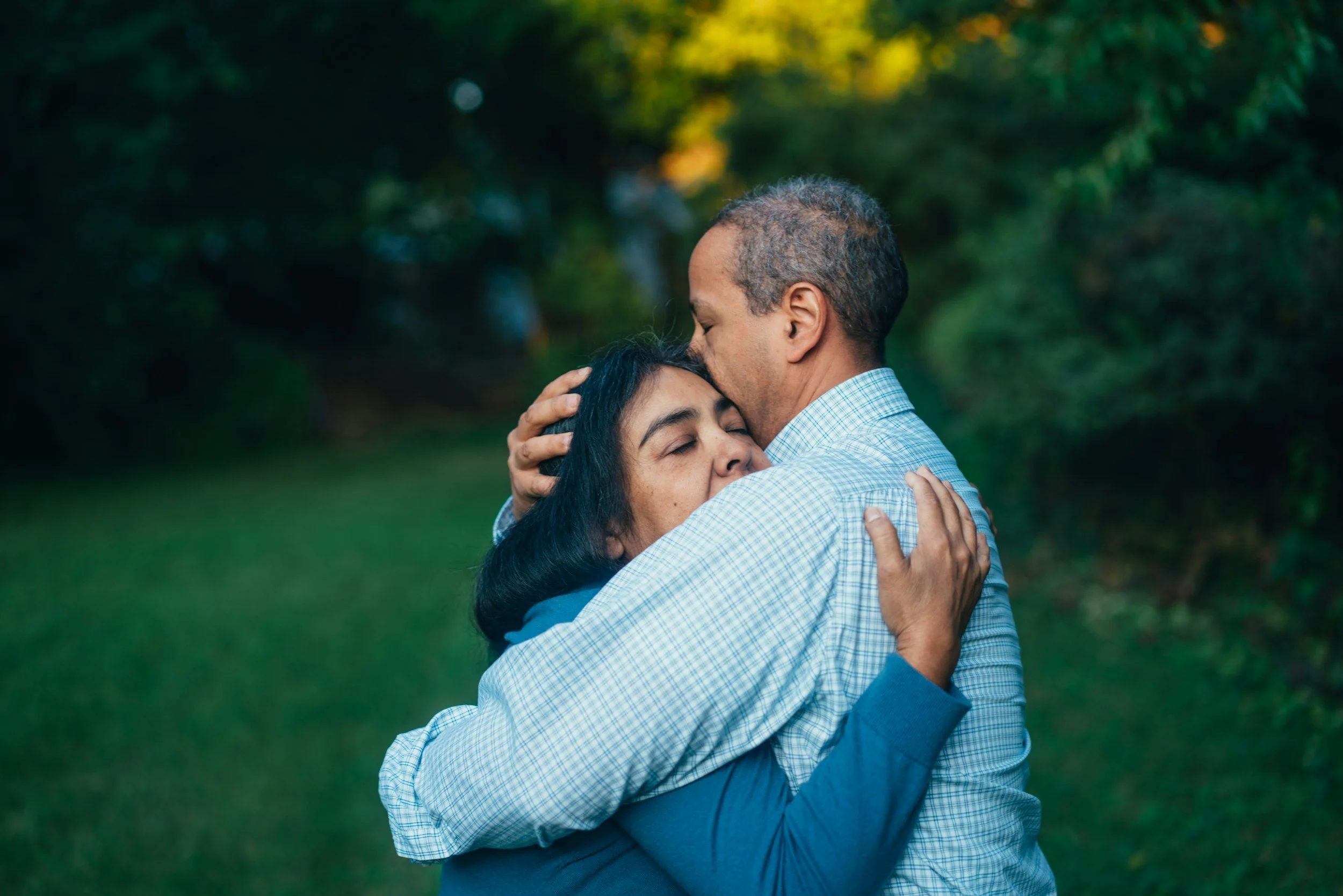
1.) Forgiveness can be freeing.
Not forgiving can keep the nervous system in a state of tension, which can cause mental, emotional, psychological, and even physical distress. When we forgive, we can release that stored/blocked energy and ease the physiological symptoms linked to emotional pain.
2.) Forgiveness can be empowering.
Holding onto resentment keeps part of our emotional energy tied to the person or event that hurt us. But when we forgive, what we’re saying is, “You no longer have control over my peace.” In this way, forgiveness can be a process of reclaiming our power and choosing emotional freedom.
3.) Forgiveness welcomes self-compassion.
Forgiveness invites us to recognize our own humanity. We see our pain, our coping, our strength, our survival… and we’re left with a profound sense of self-compassion, which becomes a cornerstone for deeper healing and healthier boundaries moving forward.
Ultimately, forgiveness can be a pathway to restoring inner peace. It can be an act of emotional liberation that signals to your mind and body that you’re safe to press onward. Because true forgiveness is less about the other person and more about you, your nervous system, the state of your heart, and the peace of your own mind.
Read more: A message of hope for those in the messy middle of transformation
Why forgiveness is so hard
There are many reasons why forgiveness can be difficult. They may not be sorry. They may never apologize. They may not ‘deserve’ your forgiveness, but forgiveness is less about what they did and far more about giving yourself freedom to heal.
Personally, I think one of the biggest reasons why forgiveness is so hard is because the precursor to forgiveness is often some form of relational fracture. Lost trust, crossed boundaries, traumatic harm, betrayal… And humans are relational creatures. Relational love (or the lack of it) is the ultimate driving force behind everything. Which means when someone wrongs us, it cuts right to the heart of who we are.
Forgiveness is complicated because relationships are messy. But, friend, if and when the time is right,I do believe forgiveness can be worth it.
Forgiving yourself

No more blame and shame – because you couldn’t have known.
Regret hurts. And so often my clients and even people in my personal life find themselves in a state of regret over something they did or a decision they made, because the outcome wasn’t what they wanted or expected. But we typically never make decisions expecting a poor outcome. Most of the time, we all strive to make the most informed decisions we can with the information we have available to us.
If regrets are haunting you, I want to encourage you to extend grace to yourself and acknowledge that that part of you made the best decision they could at the time. And if they didn’t then treat that regret as an invitation to step into our Healthy Adult and own it. Take responsibility and use the lesson learned as an opportunity to realign with your values and be intentional with your decisions in the future.
From the seat of the Healthy Adult, we know that the inability to predict the future is not a character flaw. It’s just part of being human. This is why self-forgiveness is powerful, compassionate Adult Chair work. Your Healthy Adult knows there’s no point in beating up any part of who you are over a decision that you made when you made that decision with the best information, resources, and capacity you had at that moment.
Self-forgiveness proves that our past does not define our worth, and how we move forward says way more about who we are than anything we’ve done in the past.
Learn more
• Shadow work: How to heal the wounded self
In closing…
Forgiveness can be a gift we give to ourselves, and as with most gifts, timing is everything. If you’re not ready to forgive, that’s ok. Forgiveness is a process that can’t be forced, and everyone is on a different timeline. It’s ok to give yourself time to feel what you need to first and not bury the pain under a façade of false forgiveness.
Past wounds and relational fractures can hurt and cause profound grief. If you need help navigating the complex emotions surrounding forgiveness then professional support from an attachment-based, trauma-informed therapist can help. From communicating and enforcing boundaries to navigating the sometimes tumultuous waters of forgiveness, I’d be honored to walk alongside you.
Please contact me to learn more or book a session now.
Let’s Connect
Hi there! I’m Jenny, a licensed Holistic Therapist, and Certified Adult Chair® Master Coach.
I combine both therapy and coaching methodologies to provide my clients with a holistic perspective and the techniques they need to flourish. Rediscovering who you were always meant to be is an act of courage, and radical self- love can turn unconscious paralysis into conscious growth. Learn more about me here.