How to identify and overcome self-sabotage & 4 Sneaky ways it shows up
Humans are creatures of habit. We like routines, patterns, and predictable rhythms, because our brains learned long ago to associate familiarity and predictability with safety. We like knowing what will happen, even if ‘what will happen’ is unfavorable. And for many of us, we’d rather the comfort of a known outcome, even if it’s unfavorable, than navigate uncertainty.
This innate preference for ‘known outcomes’ (even if it’s an unwanted one) is so ingrained in our DNA, that it often operates subconsciously – influencing our behavior and choices behind the scenes. Your brain is convinced this way of thinking is keeping you safe, but… is it?
Understanding self-sabotage
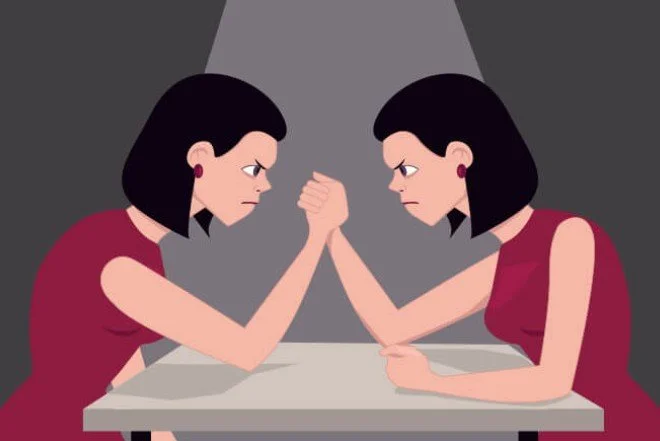
Self-sabotage is that thing we do (or that reaction or part of us) that gets in the way of what we want, even if it’s at the cost of our well-being. It’s what happens when a wounded or scared part of us confronts an uncertain outcome and decides the angst surrounding the uncertainty is too risky and unbearable. As a result, this protective part of us responds the best way it knows how and does ‘whatever it takes’ to keep us safe.
Self-sabotage is pretty much heartbreaking, because while our internal system is convinced it’s performing a very necessary act of self-preservation, the reality is it’s blocking us from something positive – not because we don’t want it, but because we’re scared.
4 Sneaky ways self-sabotage shows up
Examples of self-sabotage

Resistance: Avoiding the effort it takes or quitting altogether.
Self-sabotage can look like procrastination, fighting, pulling back, running away, or even blaming others. Sometimes, it can look like not putting in sufficient effort or even not trying at all. Because if you don’t try, you can still hold out hope that you ‘might’ be good enough.Creating drama: Especially during vacations, holidays, birthdays, and key moments.
If you subconsciously cause conflict or manufacture a relational crisis when things are finally going well, then that may be a subconscious sign that you don’t feel safe being happy. Perhaps happiness is too unfamiliar, or you struggle to believe you deserve happiness.Negative self-talk: When you’re meaner to yourself than you’d ever be to a friend.
Whether it’s through comparison, shame, or repeatedly telling yourself, “I’m so behind” – negative self-talk stems from self-doubt, low self-worth, and a lack of self-trust. If you don’t feel deserving, you may fear losing the good thing or doubt if you can sustain it.Playing it safe: When you don’t take chances.
If you freeze whenever discomfort shows up or back away when growth is around the corner then you may feel better in the moment, but long term, this pattern keeps you stuck. Because sometimes, the feeling of danger isn’t actually danger. It’s the lack of familiarity or feeling unprepared as you navigate through progress.
Top 5 reasons why we self-sabotage

As we get to know our top three inner voices, we realize that part of us (our highest, truest self) may be ready, wanting, and trying to expand into a new level, reality, or identity, but another part of our identity (a wounded or exiled part) may be panicking – because, well, *gestures at everything.”
In many ways, self-sabotage is really our Inner Adolescents kicking into full mama-bear mode trying to protect our Inner Child from the emotional pain of unmet core needs, including…
1.) Rejection
Vulnerability can leave us feeling exposed to the emotional pain of abandonment and relational hurt. What if they see who we really are and then decide to leave?
2.) Fear of failure
Stepping into an uncharted era often involves an emotional process of letting go and receiving something new and uncertain. What if we try our best and still fail?
3.) Fear of success
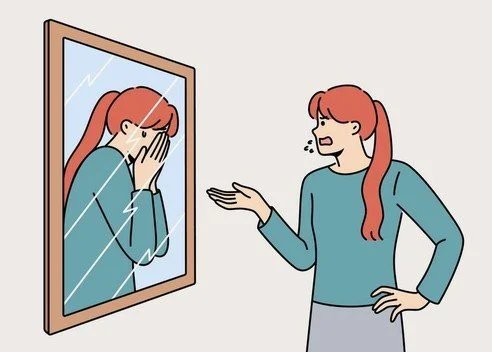
We fear success and happiness almost more than we fear failure. Because who are we without the grief or pain we’ve carried for so long?
4.) Low self-worth
Success and happiness may be unfamiliar concepts, especially to a wounded Inner Child who may feel unworthy. Do we deserve good things?
5.) Lack of self-trust
Because what if we finally get everything we wanted, but we’re not good enough to sustain it? What if this thing we wanted so deeply for so long goes away and we lose it?
We self-sabotage because we’re scared, and we’re scared because the risk involved in growth, new relationships, and change is real. When we get close to anything we want – a relationship, a job, a healthier version of ourselves – our protective Inner Adolescents may show up and say, “Let me provoke the situation to make it end so that I don’t have to look like a bad guy, get my feelings hurt, feel like a failure, or deal with the grief of being responsible for losing this.”
But when our Healthy Adult enters into the internal dynamic – everything shifts.
Identifying and overcoming self-sabotage
The Healthy Adult version of us is our highest, truest self, and they have the power to recognize and navigate self-sabotage with self-compassion. They understand that the part of us that is self-sabotaging is absolutely convinced they’re protecting us. But they also know our wounded parts don’t have all the truthful details.
Only our highest, healthiest adult self can replace the self-sabotaging narrative and responsibly manage being in the decision seat.
5 Compassionate ways to stop self-sabotaging
1.) Acknowledge the fear underneath the behaviors, and invite your highest self into a moment of honest introspection by asking:
“What feeling am I trying to avoid by procrastinating, fighting, or quitting?
“Is this situation dangerous or just different/unfamiliar?”
“Am I scared? Do I need safety or more information?”
2.) Realize that you have a relationship with yourself that’s worth protecting.
Constantly tearing yourself down to ‘stay motivated’ won’t work. All negative self-talk, chronic comparisons, and shame-based narratives do is chip away at your self-worth. Instead of repeatedly telling yourself you’re behind or insufficient, try this instead. “This is hard. I don’t know how to do it yet, but I can try to figure it out.” Learn more: The Power of Words

3.) Understand that self-sabotage is really self-abandonment.
The deeper work is learning to experience peace without disrupting it. Tell yourself, “I am allowed to enjoy life, and good things are not going to be taken away just because I let myself feel joy.”
4.) Know that failure is only failure if you deem it as a failure.Focuses on the effort not the result, because when effort is the win, you give yourself a real chance to grow. Learn to fall in love with the process instead of living for the outcome. Ask yourself:
Where am I directing my energy?”
“What do I define as a win?”
“And what do I define as failure?”
5.) Believe in the ‘good’ potential within uncertainty.
Beliefs are something that require agreement. When we agree and come into alignment with a new belief and a new narrative – one where we are safe to trust ourselves to navigate a new opportunity with an open heart – we create space for new beginnings, new opportunities, and a new story.
Learn more: Finding Hope in the Messy Middle of Transformation
The Bottom Line

Breaking free from the vicious cycle of self-sabotage is a journey of rebuilding self-trust, and it can be a complicated process. Self-sabotaging patterns often manifest subconsciously, and this is one of the reasons why therapy can be so powerful. In therapy, we gently and compassionately bring unconscious patterns into the light of our fully conscious, healthy adult world. We transform wounded dynamics and rebuild self-trust so we can experience and enjoy all the good things that are meant for us.
If you’re even a little bit curious to learn more, I invite you to reach out and schedule a complimentary 20-minute discovery call. This no-obligation, zero pressure time allows us to meet, get your questions answered, and determine if working together is the next right step for you.
Let’s Connect
Hi there! I’m Jenny Jansen, a Licensed Therapist (LISW-CP) and Certified Adult Chair Master Coach based in South Carolina with over 10 years of experience. License number: 11692 I combine both therapy and coaching methodologies to provide my clients with a holistic perspective and the techniques they need to flourish. Rediscovering who you were always meant to be is an act of courage, and radical self-love can turn unconscious paralysis into conscious, authentic growth. Learn more about me here.