Hidden addictions - What they are and why they're so dangerous
When most people think of ‘addictions’ they think of compulsive habits with things like drugs, alcohol, sex, and gambling. You know… The ones that have common 12-step programs and the ones that come with the trademark signs of avoidance, denial, defensiveness, stigma, shame, secrecy, etc.
But the source of addictions is less about the what and more about the why. In other words, it’s really not so much about the substance or the behavior, but more about the pain – the anxiety, loneliness, unworthiness, shame, need for control/safety, unprocessed trauma – the individual is trying to escape.
In the end, addictions are simply an emotional regulation strategy and a way to ‘feel better’ – even if that looks like not feeling at all and completely numbing out. With this in mind, let’s go deeper into the world of addiction and explore some of its lesser known, more nuanced forms… hidden addictions.
What is a hidden addiction?

A hidden addiction is when we avoid painful emotions, unmet needs, or uncomfortable truths by relying on compulsive behaviors, habits, or ways of being. Hidden addictions are ‘hidden’ because they often represent coping strategies that are typically viewed as socially acceptable and even praiseworthy, which can make them very difficult to recognize.
That said, not every hidden addiction is praiseworthy. But whether society applauds or frowns at the way we navigate unmet needs, both praiseworthy and unpraiseworthy addictions play a pivotal role in how we show up for ourselves and others. Hidden or not, every addiction is seeking something – comfort, validation, or an escape.
Examples of ‘praiseworthy’ hidden addictions
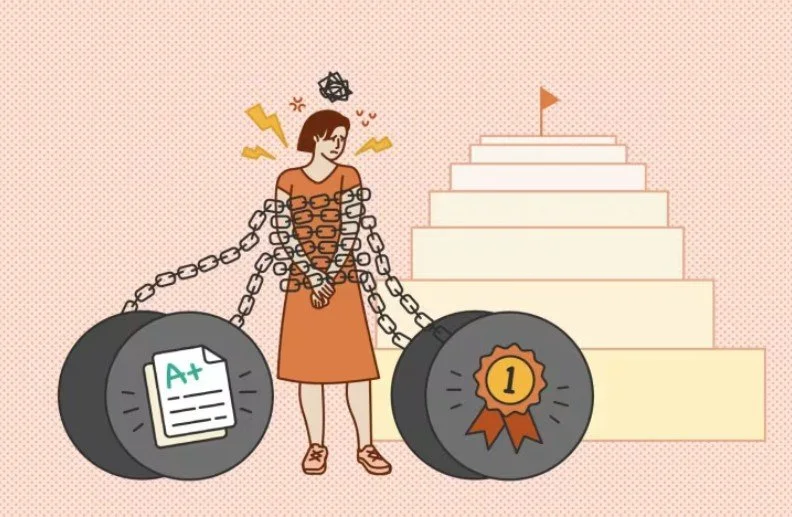
Workaholism – Using productivity, success, or chronic busyness to avoid feelings of inadequacy, unworthiness, or emptiness. Workaholism also looks like struggling to turn work ‘off,’ working or taking on more than necessary, or being seen as ‘driven’ but really seeking significance.
Overachievement – Pushing to be the best, seeking status, recognition, or a sense of competency. When your self-worth is grounded in your accomplishments.
Busyness – Doing ‘all the things’ and looking like you have it ‘all together’ even when you feel exhausted. You may keep a tight schedule, be productive, and be seen as dedicated or consistent… even when you’re struggling with burnout.
People-pleasing – Doing what others want at the expense of your own needs. Others may see you as being helpful, caring, selfless, or easy to get along with… but the ‘whatever you want’ attitude may be a ‘fawn’ or trauma response.
Codependency – Losing yourself in another person. Embodying the, ‘I’m only okay if you’re okay’ mindset. Seeking approval, validation, or a sense of belonging by prioritizing others’ needs over your own.
Over-control – Being excessively strict with routines and habits. You may be seen as the disciplined or overly organized one. This hidden addiction can especially be seen in extreme dieting and exercise habits.
Perfectionism –Attempting to manage anxiety, uncertainty, or fear of failure (and thereby rejection) through rigid-high standards with appearances, home cleanliness, or how you show up in the world. Idolizing the image of being ‘put together’ and ‘having life in order.’
Remember, the behavior itself isn’t necessarily the problem. There’s nothing particularly wrong with wanting to be organized, helpful, productive, etc.. Rather, it’s about whether the behavior is used to avoid, numb, control, or compensate for a deeper need, fear, or desire.
Examples of ‘unpraiseworthy’ hidden addictions
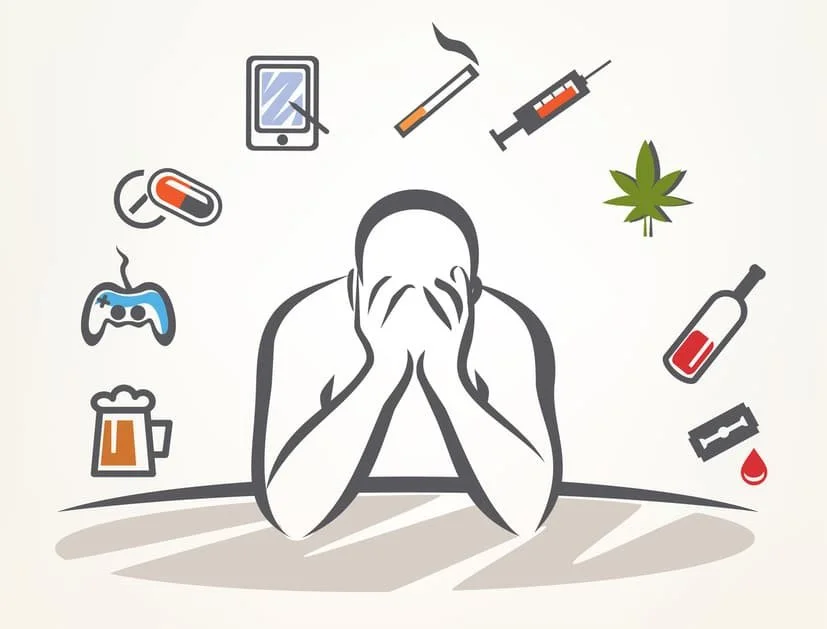
Overthinking and rumination – Staying trapped in analysis, anxiety, worry, or mental problem-solving to avoid difficult emotions or feeling vulnerable. Overthinking/rumination often receives negative feedback due to the way it is perceived as ‘holding on to the past.’ Overthinking can feel frustrating, both to the thinker and to the ones around them, because while it can feel ‘productive’ (like they’re processing or solving a problem), nothing ever actually gets solved.
Scrolling, distraction, or constant stimulation – Using technology, social media, entertainment, or information consumption to avoid loneliness, discomfort, powerlessness, or emotional pain. This type of hidden addiction could be summarized as ‘addiction to avoidance,’ and these strategies (along with procrastination, withdrawal, numbing, etc.) can be labeled as lazy, unmotivated, unproductive, flaky, unreliable, or avoidant.
Chaos and drama-seeking – Unconsciously creating or amplifying conflict, urgency, or crisis to escape emptiness, boredom, or deeper emotional wounds. This can be seen through causing unnecessary fights, gossiping, spreading rumors, seeking out social circles that have dramatic social energy, and being impulsive.
Victimhood – Putting yourself down, blaming others or external circumstances for problems in your life, and holding on to the past. The ‘woe-is-me’ or ‘things never work out for me’ mindset leads to avoidance of responsibility. But victimhood can act as a (maladaptive) way to invite other people to provide support or validation, which can create a felt (yet false) sense of connection.
Control of others – Micromanaging, manipulation, guilt tripping, and over-directing in order to manage uncertainty. An over-reliance on control looks like obsessing over how others behave, respond, feel, or see you in order to create a sense of predictability. Ultimately, people who struggle with control want to know where they stand with others to avoid rejection/embarrassment.
In the end, even these ‘unpraiseworthy’ hidden addictions are often coping strategies for hidden wounds. The problem is, these coping strategies work… until they don’t.
Why hidden addictions are so dangerous
Hidden addictions actually make logical sense, because these types of coping methods kind of work. And the more socially acceptable or commendable the hidden addiction is, the more difficult it is to identify – especially when the external validation becomes part of the ‘high’ of the experience and we’re ‘rewarded’ for feeding the addiction. But hidden addictions carry a hidden price… Negative consequences.
When we take a closer look at the compulsive cycle, we realize that…
Chronic patterns of busyness, perfectionism, people-pleasing, and codependency can signal addiction to achievement, approval, or others.
Rigid, overly structured routines and ‘self-discipline’ habits can mask an addiction to control. And when the compulsion leans toward controlling others (through micromanaging, emotional manipulation, or guilt-tripping), an addiction to control can ruin relationships.
Obsessive healthy eating and exercise can mask disordered eating tendencies, specifically orthorexia.
Reliance on social/relational drama for an adrenaline rush can mask feelings of emptiness or relational fear.
Overly identifying with being a victim (to validate real pain and invite ‘comforting’ attention) can lead to building a core identity around a wounded or exiled part, often leading to an inability to move on from the past.
Hidden addictions & The Adult Chair framework

Through the Adult Chair lens, we see the why behind the what, and with compassionate courage, we determine if the why is a cry for help. Many addictions are ways of coping with difficult feelings, and hidden addictions are attempts at accessing unmet needs such as external validation, acceptance, belonging, safety, and predictability. The concern is that this type of ‘reaching’ comes from a wounded place.
The Child Chair is where the ‘wound’ lives – where it was born. It is the vulnerable Inner Child who holds the true unmet need, fear, or unprocessed emotion.
The Adolescent Chair is where the hidden addictions form as ‘solutions’ to the ‘pain’ the wound caused. Because the Inner Adolescent doesn’t have access to Healthy Adult resources, they’re forced into survival mode where they react to situations through avoidance, perfectionism, codependency, controlling, anxiety, obsessions, etc. And, remember, this is not done with mal-intent… these behaviors are used in an attempt to ensure love, safety, and belonging.
The Adult Chair is where conscious power rests. The Healthy Adult is the one who sits with discomfort. Instead of reacting impulsively to avoid pain, they choose to respond by facing the challenging emotion without having to manage it with a substance or a behavior. They lovingly search for healthy and effective ways to meet the need, heal the wound, and restore peace between internal parts.
How to know if you are addicted to something?
A good way to determine whether or not you have a hidden addiction is to try and stop – and see what happens. Consider what anxieties, justifications, and defenses flare up at the mere THOUGHT of what you fear might/would/could happen. Ask yourself…
“What am I afraid would happen if I stopped _____?”
“What would I have to feel/face/admit to or take responsibility for if I _____?”

If you feel there’s something there, I invite you to gently explore these questions on a deeper level… not from a place of judgment, but from curiosity. The ultimate goal is not to pathologize, criticize, or condemn. The goal is to first understand than comfort and support.
Am I using these behaviors as coping mechanisms for avoiding a part of me that needs my compassionate attention?
What is here seeking healing?
What is the unmet need, fear, or longing my wounded parts are searching for?
Am I confusing familiarity with safety?
This type of self-reflection and attunement is powerful. The more we practice taking a non-judgmental approach to feeling emotions, taking responsibility, and staying present when triggered, the closer we are to embodying healthy self-worth and internal safety.
Final thoughts – The bottom line
Navigating hidden addictions can be challenging. Between identifying the pattern and working through the tension, doing the work is hard – but very much worth it. The truth is we all carry hidden addictions, and there’s no shame in not having everything figured out. It takes courage to assess our coping strategies and to be honest about what’s no longer working.
And it’s certainly not a journey you need to take alone. So much of healing is relational, and having a grounded, healthy adult relationship to guide you forward can make all the difference.

As a compassionate Licensed Therapist (LISW-CP) and Certified Adult Chair Master Coach, I’ll help you resolve internal tension and uncover who you were before the world taught you who to be. Together, we’ll uncover your truest self – regardless of what you’ve been taught to believe. Because in so many ways and for so many reasons, healing is coming home to yourself and realizing that your self-worth is not dictated by external sources.
Healing is sacred work, and it can also feel heavy. I’m here to help you carry and process the emotional weight so you can step into a new chapter of healing and joy.
I invite you to reach out and schedule a complimentary 20-minute discovery call. This no-obligation, zero pressure time allows us to meet, get your questions answered, and determine if working together is the next right step for you.
Let’s Connect
Hi there! I’m Jenny Jansen, a Licensed Therapist (LISW-CP) and Certified Adult Chair Master Coach based in South Carolina with over 10 years of experience. License number: 11692 I combine both therapy and coaching methodologies to provide my clients with a holistic perspective and the techniques they need to flourish. Rediscovering who you were always meant to be is an act of courage, and radical self-love can turn unconscious paralysis into conscious, authentic growth. Learn more about me here.