Conscious Connections
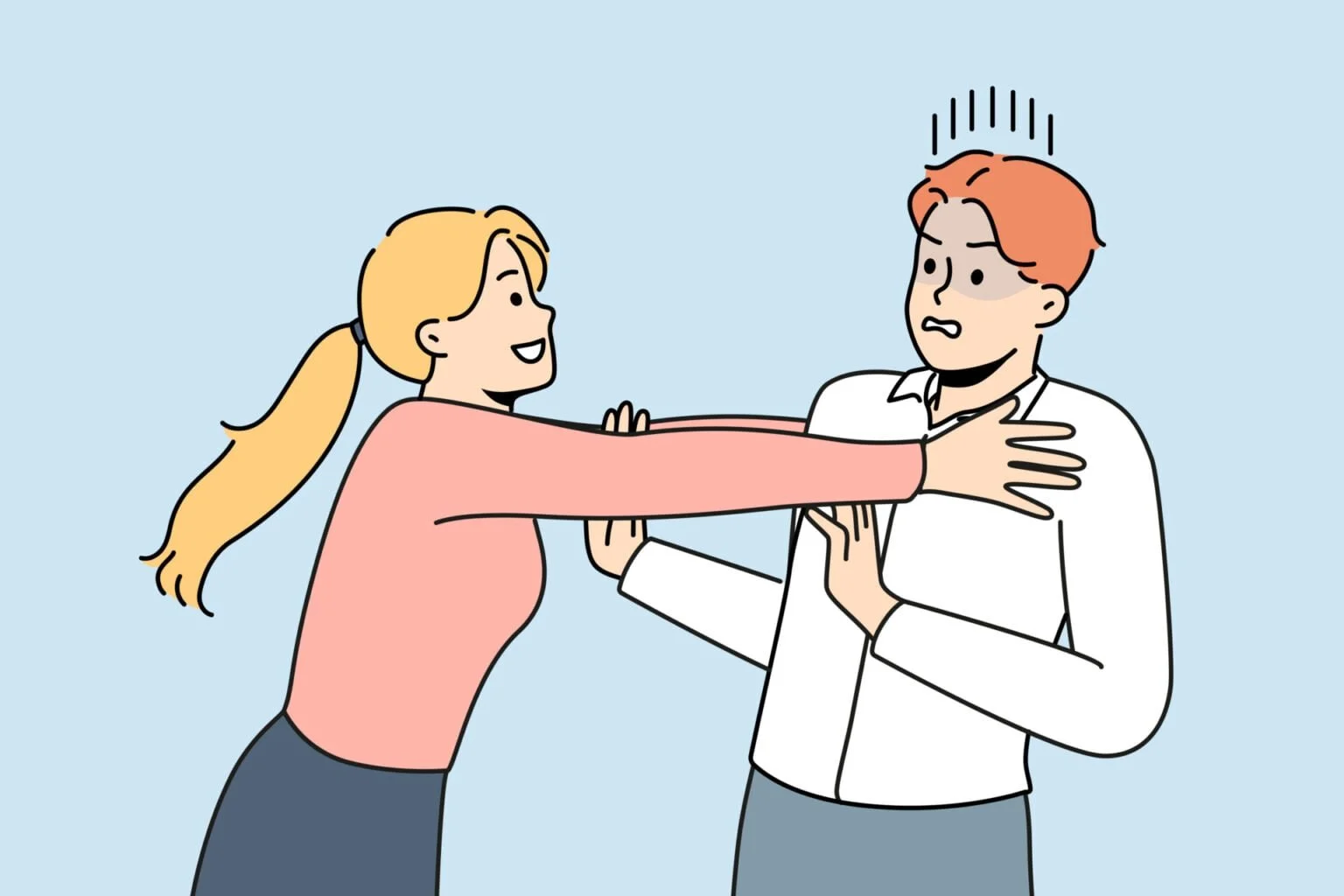
The Anxious-Avoidant Attachment – Why they attract & How to Heal
Chances are you’ve heard about the dynamic duo that is the ‘anxious-avoidant relationship.’ These two attachment styles get a reputation for good reason – because when someone with an avoidant attachment style syncs up with an individual with an anxious attachment style, the relational dance that ensues is… intense. For many reasons.
When these two individuals collide in a relationship, it’s like yin and yang. They both feel a strong draw for the other, partly because the avoidant partner can feel so steady while the anxious partner can seem so open. But ultimately, the attraction is powerful due to the familiar spark that keeps them chasing and withdrawing.
In this article, we’re going to explore why. We’ll dive deep into the anxious-avoidant relationship dynamic to understand how these two styles interact with each other. But first, let’s start with a brief overview of how each attachment style works.

What Is Childhood Emotional Neglect? Understanding the Invisible Wound
Sometimes, it’s not what happened that causes the wound. It’s what didn’t happen. If you struggle to emotionally connect and trust others or if you tend to opt for extreme self-reliance over asking for help, Childhood Emotional Neglect may be part of your story.
In this article, we'll explore what Childhood Emotional Neglect is, how it can deeply shape our relationships with ourselves and others, and, perhaps most importantly, how healing can begin through reconnecting and reparenting the parts of ourselves that long to be acknowledged.
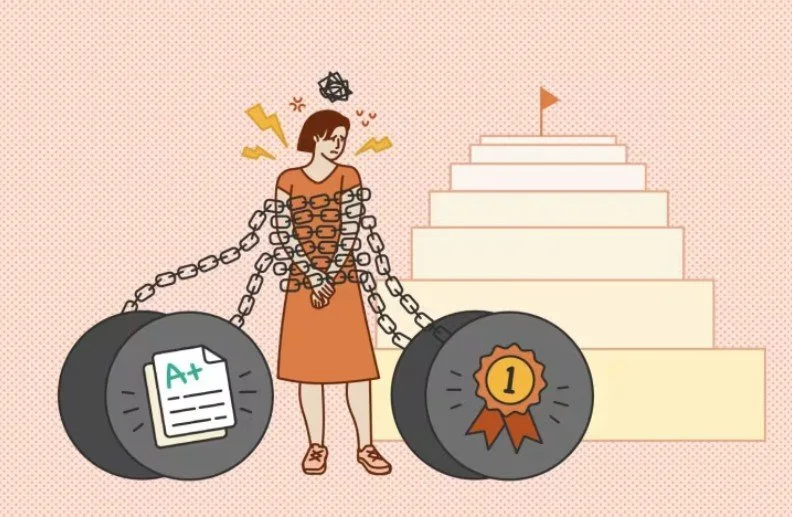
Hidden addictions - What they are and why they're so dangerous
When most people think of ‘addictions’ they think of compulsive habits with things like drugs, alcohol, sex, and gambling. You know… The ones that have common 12-step programs and the ones that come with the trademark signs of avoidance, denial, defensiveness, stigma, shame, secrecy, etc.
But the source of addictions is less about the what and more about the why. In other words, it’s really not so much about the substance or the behavior, but more about the pain – the anxiety, loneliness, unworthiness, shame, need for control/safety, unprocessed trauma – the individual is trying to escape.
In the end, addictions are simply an emotional regulation strategy and a way to ‘feel better’ – even if that looks like not feeling at all and completely numbing out. With this in mind, let’s go deeper into the world of addiction and explore some of its lesser known, more nuanced forms… hidden addictions.
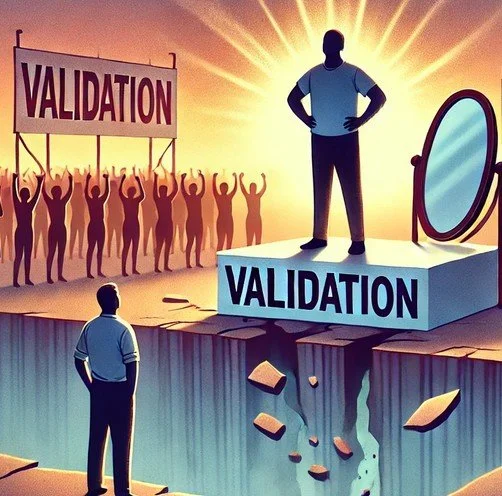
Internal vs external validation: How to build healthy self-worth
We all need and want to be accepted and valued, but the way we seek out and receive validation has consequences. For example, if we seek validation from other people through work, social media, or societal norms, the dopamine spike never lasts. We may feel good when others take notice of us, but only for a moment. Then the target shifts again, perpetuating a cycle of striving for the next accolade, the next compliment, the next reassuring sign that we still have value and are acceptable.
Internal vs external validation is a hot topic, and in this blog post, we’re turning up the heat. We’ll be exploring validation through the lens of the Adult Chair framework to understand the Healthy Adult perspective on why internal validation is vital for our conscious well-being.

Healthy relationships & interdependence: How to balance individuality and connection
Knowing that we matter and are loved is a universal human need. And so is individuality. We need both meaningful connections forged from healthy relational bonds and a strong self-identity.
But if we’re honest – and we are always honest here – these two needs can feel contradictory at times. Especially when pop-psychology claims that if you need your friends, you’re ‘codependent,’ and if you’re independent, then you’re ‘emotionally unavailable.’ …right?
Not necessarily. But this circulating myth does beg the question…
What does healthy independence look like within relationships?