Hidden grief – What it is, where it hides, and how to heal
“Grief is visceral, not reasonable: the howling at the center of grief is raw and real. It is love in its most wild form." – Megan Devine
"You can close the door on grief, but it will peak in through the window." – Unknown
When it comes to transformation, healing and growth are kindred spirits. It’s impossible to have one without the other. But there is a third part of transformation that often gets overlooked…
Hidden grief.
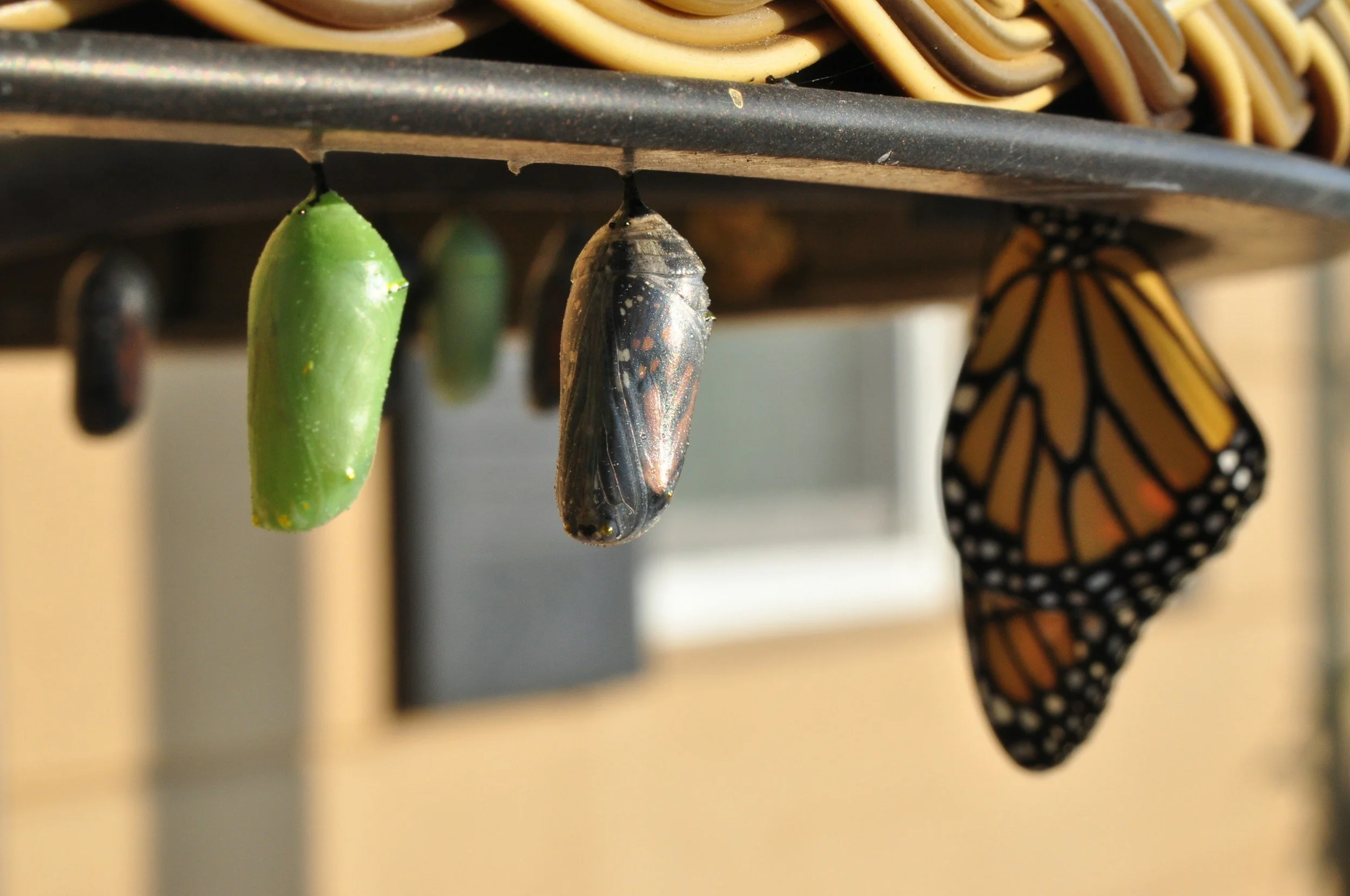
While growth is worthy of celebration and change can be a very positive thing, it’s normal for there to be intense sadness surrounding what we give up as we evolve. Honestly, this is sometimes why we don’t change. This is why we stay in unhealthy relationships, delay that career change, postpone declaring and living out our truth, or keep forcing a friendship, even as it’s fading away
Because it hurts to say goodbye to the familiar – even if it is a bit dysfunctional. It’s hard to sacrifice the comfort of an old identity and embrace the authentic reality that’s knocking on the door. And it’s downright painful to give up reliable coping mechanisms and comfort zones we were so attached to, even if they’ve been keeping us stuck.
But what if we held space for both transformation and grief? What if we bring hidden grief out of the shadows and honor it by mourning the loss of what once was (or what never was), even as we continue to pursue alignment?
The hidden grief of transformation
Grief is not just for physical personal loss. The truth is grief is embedded into the transformation process, but many of us are so fixated on the growth that we don’t stop to realize what we ‘lose’ is worthy of grieving. In this article, we’re going to explore the grief that skirts our best intentions and hides from us. As you read, I invite your Healthy Adult to come forward and gently hold space for whatever might resonate.
10 Common places grief tends to hide
Adjusting to a new reality can take time, and in that transition stage, it can feel like a part of us is missing. Especially when there’s intense social pressure to feel only joy regarding a particular change, it can become all too easy to feel shame over hidden grief. But even if it’s a chosen change, and even if it’s new and exciting, whenever we’re forced to deal with uncertainty, hidden grief may be present.
The truth is that grief can hide in...

Marriage
Parenthood
Graduating college
Sobriety and recovery
Physical transformations
Career changes
Coming out
Moving and relocations
Relationship endings
Healing
… Let’s take a closer look at the last one.
The hidden grief of healing – Grieving what DIDN’T happen
It may feel counterintuitive, but we may mourn who we used to be – the people pleaser, the funny one, the strong one, or the easy-going one who got along with everyone. Maybe you were once the person who was ‘always there for you,’ but now you’re the one with boundaries. You’re the one with standards, a voice, an opinion, a valid perspective, and sometimes, that makes you the one who carries hidden grief over the losses you incurred throughout life. Losses like innocence, joy, missed opportunities, unexplored potential, neglect, or what never was.
Learn more
Identifying hidden grief
How to know if you have hidden grief
One of the best ways to identify hidden grief is to use the stages of grief as clues.

Stage 1: Shock – Do you feel ‘out of it,’ detached, or disoriented? Are you having difficulty breathing or sleeping? Most often, shock looks like emotional shutdown, apathy, or surreal detachment.
Stage 2: Denial – Are you experiencing numbness, disbelief, or avoidance? Are you constantly saying, I’m fine, even when you’re clearly not? Denial is your brain’s way of shielding you from overwhelming pain before ‘reality hits’ and buffering the initial impact before intense grief sets in.
Stage 3: Anger – Anger and grief are deeply connected. You know you’re experiencing grief-associated anger when the intense irritability and resentment come from a defensive place. Grief-based anger is protective, often tied to a felt sense of unfairness, and flairs up when you’re feeling vulnerable.
Stage 4: Bargaining – This stage looks like intense negotiation – with a higher power, with a relationship, with reality, with yourself… anything. It’s fueled by self-blame, ruminating hypothetical scenarios, unrealistic promises, and future-focused resolutions.
Stage 5: Guilt – Grief-based guilt comes from the unbearable weight of feeling responsible. You may feel intense regret, remorse, or shame and blame yourself using ‘what if’ and ‘if only’ thoughts.
Stage 6: Sadness – Grief-based sadness is a pervasive, unrelenting form of profound despair, deep emptiness, intense yearning, constant crying, emotional instability, or feeling overwhelmed. It typically comes in waves and is hyper-focused on a specific loss.
Stage 7: Acceptance – Acceptance doesn’t look like happiness about the situation, but it means you’ve come to terms with the reality of the loss. You’ve mourned, processed, and integrated the grief into your life, and while you still may feel sad, the sadness is quieter and not as overwhelming. You’ve learned to live with the grief while still holding space for hope, growth, and the joy of new beginnings.
The stages of grief are not just for when someone you love passes away. The same rules apply for hidden grief. Every stage of grief takes center stage once we recognize patterns and experiences that had a harsh impact. And this realization can be so painful, that the appropriate response is grief.
Why we don’t always recognize these clues?
For so many of us, grief remains hidden because we don’t identify the ‘sources of grief’ as grief-worthy.
But grief is not just for physical loss or a traumatic situation. Grief, in all its forms, is embedded in our lives, our relationships, our changes, our transitions, our reality, and even our healing journey.
Growing apart with an old friend, the loss of a dream, loss of a pet, relational changes, health changes, estrangement, loss of a cherished possession, what could have been, what never was… Society doesn’t always view these losses as valid, which makes them hard to process and easy to hide. But these losses changed the life you knew. These losses existed right alongside other key checkpoints on your journey, and they deserve to be properly acknowledged.
But sometimes we just don’t like to acknowledge losses as losses…
Why grief remains hidden

Sometimes, grief remains hidden because it’s a subconscious form of denial. Ignorance is bliss and we may not want to face the grief, because it feels too scary to ‘go there.’ It feels too overwhelming to admit that ‘it’ had a profound impact on us. So, we cover it up, numb out, pretend we’re fine… but deep down it festers until it comes out sideways and manifests in confusing ways.
But once we see the pain and acknowledge the grief for what it is, we can’t unsee it. Ignorance might have been ‘bliss’ for a while, but once you identify the loss for what it is, you can’t unsee it or un-feel it. You can only grieve it, and then, when you’re ready, honor it.
Facing the grief – As a Healthy Adult
Embracing personal growth is a process of alignment, and whether you pursue transformation or not, there’s loss either way. So please don’t let hidden grief become a ‘turnaround’ sign. Let grief be an invitation for your Healthy Adult to step forward and heal the unresolved pain in an honoring way. The Healthy Adult knows there’s a time to mourn, and grieving can be the appropriate, healthy, and sometimes even necessary response to a loss.
The Healthy Adult grieves because they loved. Whatever it is, it mattered. And whatever it is, it will still matter, even as the way it matters changes over time. Some days it will hit harder. Some days we’ll vacillate between shock and denial, then acceptance and relief, then back to anger and sadness. Grief is so unpredictable, but when we as Healthy Adults let grief to ‘do its thing’ and allow our emotions to be what they are, we process and we heal.
Ultimately, there is freedom in sitting with the pain rather than trying to control or judge it.
Holding space for hidden grief

The act of holding space for grief is sacred work we do from our Healthy Adult. When our highest, truest self steps into the hidden realities of our growth, we create a safe space to fully experience and process emotions. We move beyond the judgmental norms of society, and instead, we ‘tune in’ and practice active listening and self-compassion.
The Healthy Adult knows the stages of grief aren’t linear. They’re fluid. And there is no timeline. There is no just ‘getting over it.’ Instead, we explore ways to integrate the loss into a new life narrative. With radical self-compassion, the Healthy Adult seeks to reconcile the entirety of the self through presence and awareness so the grief can be authentically integrated.
The bottom line
Embracing personal growth comes with growing pains, and sometimes those growing pains can activate grief. When we sense the presence of hidden grief, it’s easy for our Inner Adolescent to panic. But the Healthy Adult knows when we let something go, we make space for something else that’s more aligned with what we need.
Learn more: Do the work – Expectations vs reality
If you’re feeling buried under the weight of hidden grief or if unresolved past pain is ready to be felt, please know you’re not alone. Hidden grief can bring a surge of complex emotions, and having the support of an attachment-based, trauma-aware therapist can help make this season feel a bit lighter and more manageable.
From honoring the past to creating space for personal growth, I help individuals embrace authentic alignment while honoring the reality of hidden grief.
Please contact me to learn more or book a session now.
Let’s Connect
Hi there! I’m Jenny, a licensed Holistic Therapist (LISW-CP), and Certified Adult Chair® Master Coach.
I combine both therapy and coaching methodologies to provide my clients with a holistic perspective and the techniques they need to flourish. Rediscovering who you were always meant to be is an act of courage, and radical self-love can turn unconscious paralysis into conscious, authentic growth. Learn more about me here.